Data Localization: Why Do Some Countries Require Data to Be Stored Locally???
HomepageArticlesData Localization: Why Do Some Countries Requi...
Data Localization: Why Do Some Countries Require Data to Be Stored Locally???
Introduction
With the massive growth of cloud services and online data transfers, governments have become increasingly concerned about where user data is stored. This has led to the rise of Data Localization as one of the most important modern trends in the technology industry.
What is Data Localization?
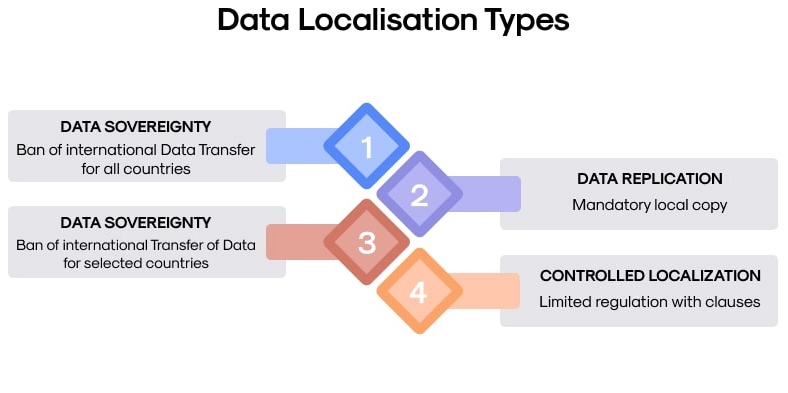
Data Localization means storing and processing user data within the borders of a specific country instead of transferring it to foreign data centers.
Why Do Countries Enforce Data Localization?
Privacy Protection
To ensure better protection of citizens’ personal data.
National Security
To reduce dependence on foreign infrastructure and improve control over sensitive information.
Legal Compliance
Some countries impose strict regulations regarding how and where data must be stored.
How Does It Affect Companies?
Companies may need to:
Build local data centers
Use hosting providers located within the country
Modify the way they manage and process data
Benefits of Data Localization
Higher Security
Better control and protection of sensitive information.
Lower Latency
Keeping data closer to local users can improve loading speed and performance.
Better Legal Compliance
Helps businesses avoid legal and regulatory issues.
Challenges
Increased operational costs
More complex data management
Difficulty scaling globally
Industries That Commonly Require It
Banking
Government organizations
Healthcare sector
FAQ
Do all countries apply Data Localization laws?
No, regulations vary from one country to another.
Does Data Localization affect website speed?
In some cases, it can improve speed for local users.
Conclusion
Data Localization has become an essential consideration for companies that handle sensitive data or operate in countries with strict data protection laws. As governments continue to strengthen privacy and cybersecurity regulations, businesses must adapt their infrastructure and compliance strategies accordingly.
 2019 - 2023 © WELNIZ.LTD. All rights reserved.

 United Arab Emirates (Arabic)
 Worldwide (English)