Data Locality: Why Does Data Location Affect Application Performance???
HomepageArticlesData Locality: Why Does Data Location Affect A...
Data Locality: Why Does Data Location Affect Application Performance???
Introduction
Many people assume that processor power or network speed is the primary factor behind application performance. However, in modern distributed systems, another critical factor plays a major role: Data Locality.
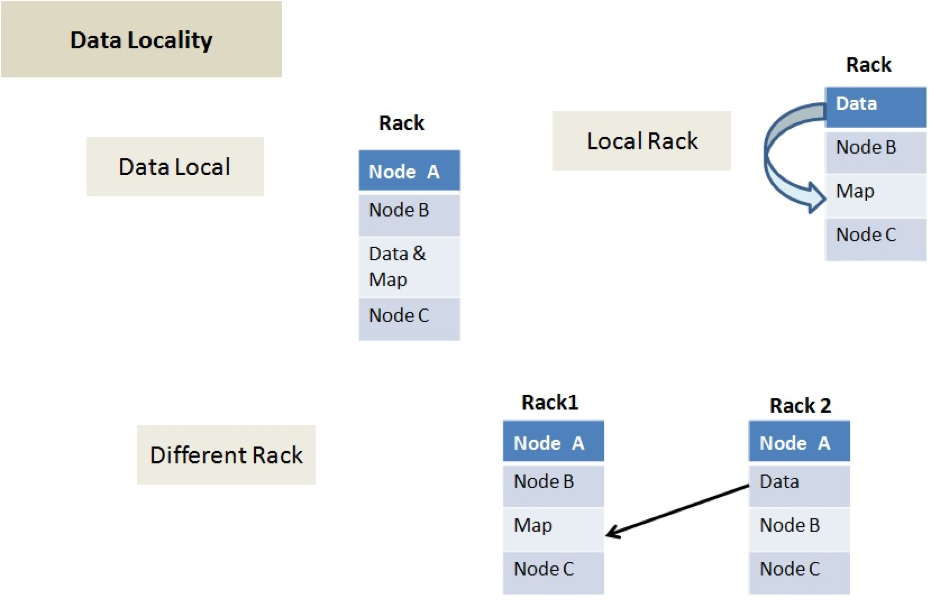
Data Locality refers to how close data is to the applications and systems that frequently access it. The closer the data is to the processing resources, the faster and more efficient the application becomes.
What is Data Locality?
Data Locality is the practice of placing data as close as possible to the applications, services, or computing resources that use it.
The shorter the distance between data and computation, the lower the latency and the better the overall performance.
Why Is Data Locality Important?
When data is located far from the applications that need it:
Data transfer times increase
Response latency becomes higher
Network utilization grows
Operational costs rise
As a result, application performance may degrade significantly.
Practical Example
Imagine an application running in a data center located in Europe while its database is hosted in Asia.
Every read and write operation must travel across international networks, adding extra latency to each request and reducing overall application responsiveness.
Types of Data Locality
Compute Locality
Processing workloads are executed close to where the data resides.
Storage Locality
Data is stored near the users or applications that access it most frequently.
Network Locality
The number of network hops between system components is minimized to reduce latency.
Benefits of Data Locality
Improved Performance
Reduces latency and accelerates data access.
Lower Costs
Minimizes data transfer charges and network resource consumption.
Better User Experience
Faster page loads and quicker service responses improve customer satisfaction.
Increased Efficiency
Makes better use of infrastructure resources and computing power.
Where Is Data Locality Most Important?
Big Data platforms
Artificial Intelligence and Machine Learning workloads
Cloud computing environments
Distributed databases
High-performance computing systems
Data Locality and Edge Computing
Edge Computing heavily relies on the concept of Data Locality by moving processing closer to end users.
Instead of sending all data to a centralized cloud, data can be processed at edge locations, significantly reducing latency and improving responsiveness.
FAQ
Is Data Locality important for small websites?
Its impact is typically more noticeable in large-scale and distributed systems, although any application can benefit from reduced latency.
Can Data Locality help reduce costs?
Yes. Keeping data close to the workloads that use it can significantly reduce network traffic and data transfer expenses, especially for large datasets.
Conclusion
Data Locality is one of the key factors influencing the performance of modern applications and distributed systems. By placing data closer to where it is processed and consumed, organizations can achieve lower latency, better user experiences, reduced operational costs, and more efficient infrastructure utilization.
 2019 - 2023 © WELNIZ.LTD. All rights reserved.

 United Arab Emirates (Arabic)
 Worldwide (English)