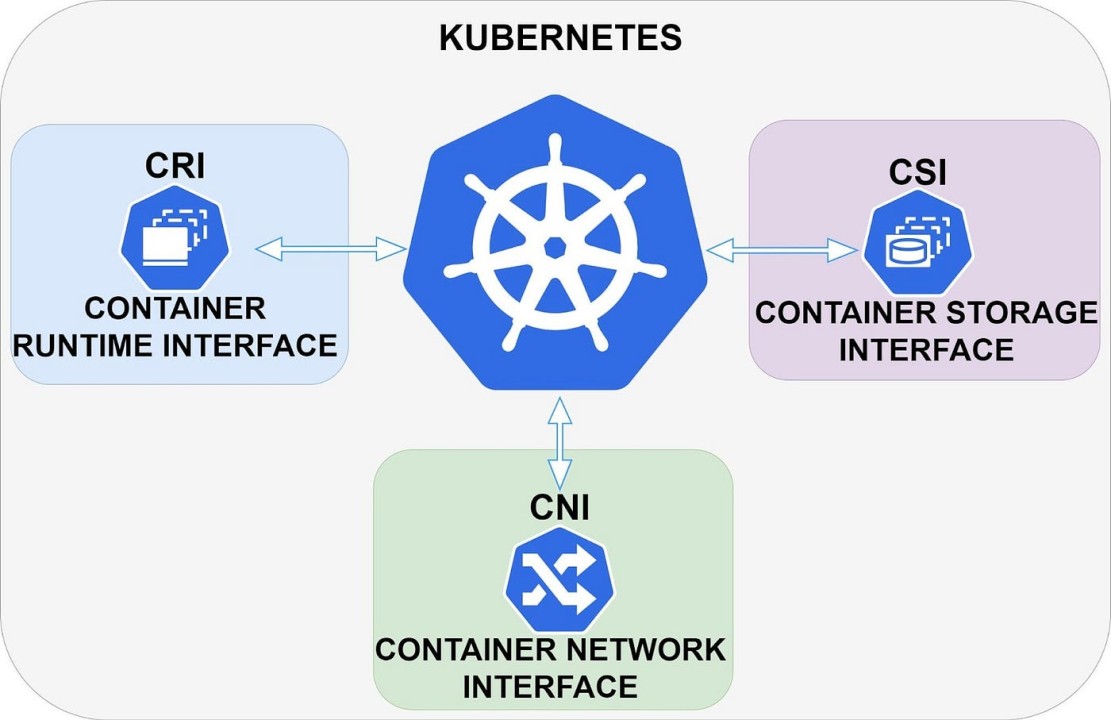
CNI in Kubernetes: The Hidden Foundation Behind Container Networking???
HomepageArticlesCNI in Kubernetes: The Hidden Foundation Behin...
CNI in Kubernetes: The Hidden Foundation Behind Container Networking???
Introduction
When running hundreds or even thousands of containers in a Kubernetes environment, reliable communication between them becomes essential. This is where the Container Network Interface (CNI) comes into play, providing the networking foundation required for modern cloud-native applications.
What is CNI?
CNI (Container Network Interface) is an open-source standard that defines how networking is configured for containers when they are created and launched.
In simple terms, CNI is responsible for:
Assigning IP addresses to containers and Pods
Creating network connections
Managing network traffic between workloads
Why Does Kubernetes Need CNI?
Kubernetes does not include a fully built-in networking solution.
Instead, it relies on CNI plugins to provide:
Pod-to-Pod communication
Pod-to-Service communication
Connectivity to external networks and the internet
This flexible approach allows organizations to choose the networking solution that best fits their requirements.
How Does CNI Work?
When a new Pod is created:
Kubernetes requests network configuration.
The CNI plugin creates the required network interface.
An IP address is assigned to the Pod.
The Pod becomes able to communicate with other components in the cluster.
Popular CNI Plugins
Calico
Provides strong security features and advanced network policy capabilities.
Flannel
Simple to deploy and well-suited for small and medium-sized Kubernetes environments.
Cilium
Built on eBPF technology and offers advanced networking, security, and observability features.
Weave Net
Simplifies networking management across distributed Kubernetes clusters.
Benefits of Using CNI
Greater Flexibility
Organizations can choose the networking solution that best meets their needs.
Enhanced Security
Network policies can be implemented to control and secure traffic between workloads.
High Scalability
Supports large Kubernetes deployments with thousands of containers and Pods.
Challenges
Configuration Complexity
Some CNI solutions require advanced networking knowledge.
Network Troubleshooting
Diagnosing connectivity issues can be challenging in large environments.
Choosing the Right Plugin
Different CNI solutions offer different trade-offs in performance, security, and ease of management.
FAQ
Can a CNI plugin be changed after Kubernetes is deployed?
Yes, but the process often requires careful planning and may involve service interruptions depending on the cluster architecture.
Which CNI plugin is most commonly used?
Calico is one of the most widely adopted CNI solutions in production Kubernetes environments due to its strong networking and security capabilities.
Conclusion
CNI is one of the core building blocks of Kubernetes networking. It enables communication between Pods, services, and external systems while providing the flexibility, scalability, and security needed to run modern containerized applications efficiently.
 2019 - 2023 © WELNIZ.LTD. All rights reserved.

 United Arab Emirates (Arabic)
 Worldwide (English)